

Skip to content
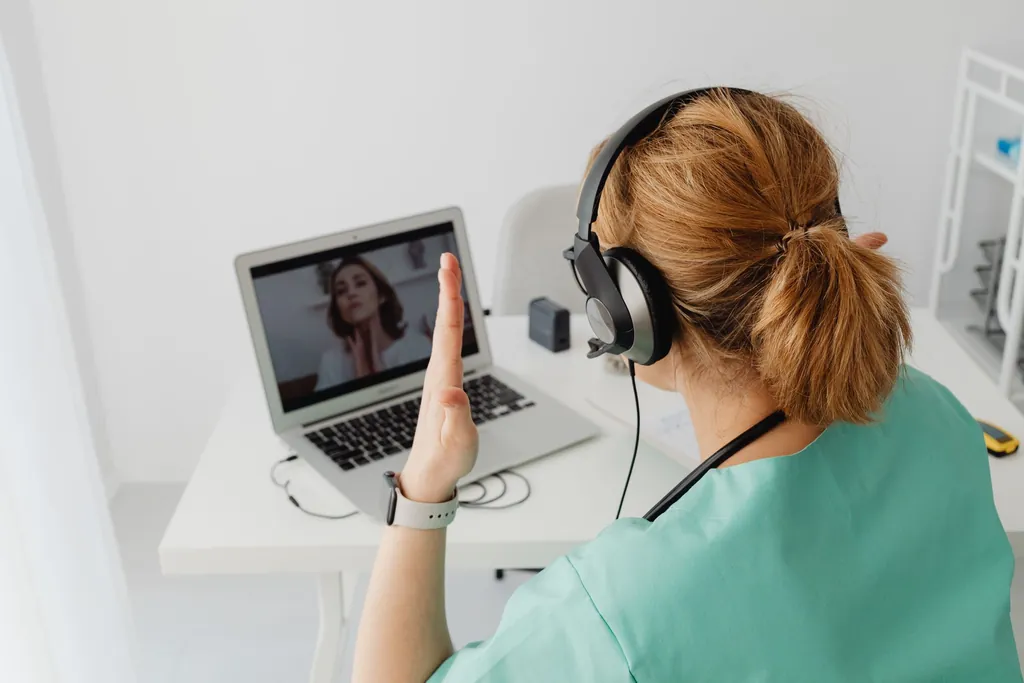
Clinician wearing a headset on a video call with a patient on her laptop
Telehealth Billing Services

Telehealth Billing Services Built for the Way Virtual Care Actually Works

Virtual care has transformed how patients access healthcare, but it has also introduced billing workflows that trip up even experienced practices. We code and bill your virtual visits to each payer's telehealth rules: the right place of service, the right modifiers and the documentation behind them.

Telehealth is Evolving. Your Billing Should Keep Up.

  • HIPAA compliant
  • AAPC/CPC Certified Coders and Billers
  • Works inside your existing EHR/PM system
  • You keep ownership of your data
The Complexity, Solved

MedixCode Makes Complex Telehealth Billing Easier

The problem is straightforward: many practices bill telehealth visits the same way they bill in-person encounters. They use incorrect modifiers. They assign the wrong place of service code. They miss state payment parity rules where those apply. And they leave revenue uncollected because payer policies for virtual visit billing vary significantly, and change frequently.

We close that gap. Our AAPC/CPC Certified Coders and Billers know the rules that set telehealth claims apart, and we set up your billing for each payer's telehealth rules from the start. We bill telehealth for pulmonology, rheumatology and nephrology practices, among other specialties.

Person on a laptop video call with a doctor wearing a face mask
What Makes It Different

What Makes Telehealth Billing Different

Telehealth billing is not simply regular billing with a video call in the middle. The clinical encounter may look familiar, but the billing mechanics are governed by a distinct and layered set of rules that span federal policy, state regulations, and individual payer contracts. Here's what we handle:

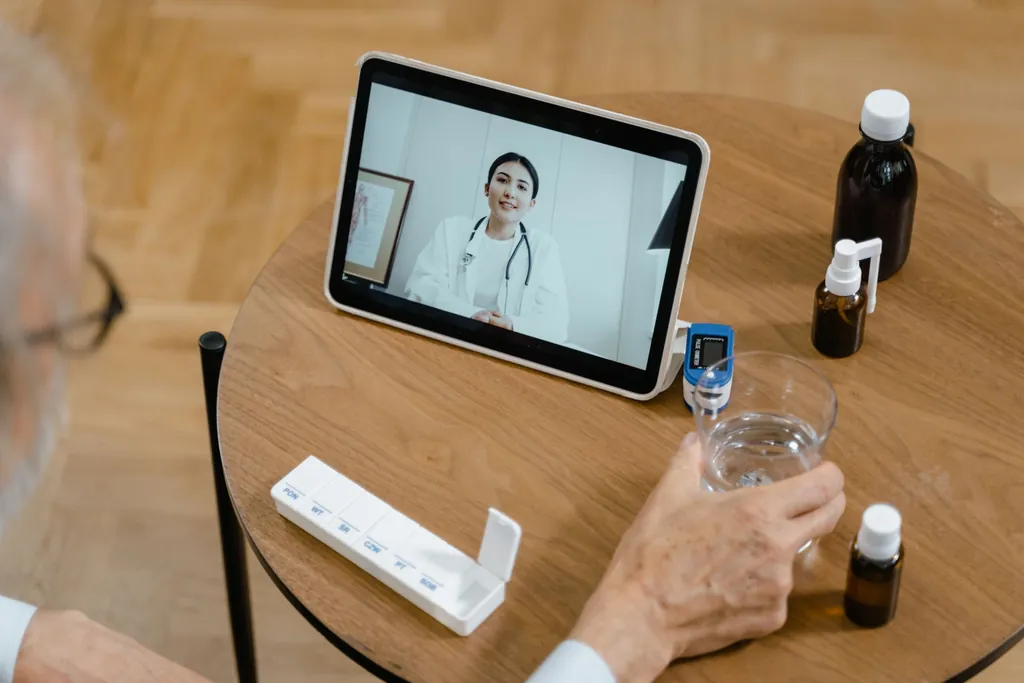
Tablet on a table showing a video call with a doctor, beside medicine bottles
  1. 01

    Place of Service Codes

    Which determine where the patient and provider were located during the encounter. Using POS 02 (telehealth provided other than in patient’s home) versus POS 10 (telehealth provided in the patient’s home) aren't interchangeable. Medicare pays telehealth to a patient at home at the non-facility rate, so using the wrong code can mean the wrong payment or a denial.

  2. 02

    Telehealth Modifiers

    Which tell the payer how the service was delivered. Modifier 95 signals a synchronous telemedicine service rendered via interactive audio and video telecommunications. Modifier 93 marks audio-only services, where the payer asks for it.

  3. 03

    Audio-Only vs. Audio-Video Services

    Are billed differently, reimbursed at different rates, and subject to different coverage policies depending on the payer. Behavioral health audio-only services, for example, have specific billing pathways under Medicare that do not apply to general medical visits.

  4. 04

    Originating Site vs. Distant Site Billing

    Introduces another layer. When the patient is at an eligible facility, that originating site can bill a facility fee (HCPCS Q3014). Distant site providers, the clinicians delivering the care, bill the professional service.

  5. 05

    Payer Policy Fragmentation

    For which Medicare, Medicaid, and commercial payers each maintain their own telehealth coverage and billing policies, many of which were modified during the public health emergency and have since been updated, extended, or restricted. We track these changes by payer.

Medicare telehealth in 2026–2027 (CMS):

The Consolidated Appropriations Act, 2026 extended Medicare’s telehealth flexibilities through December 31, 2027. That covers visits in the patient’s home, no geographic restrictions, all eligible practitioners, FQHCs and RHCs as distant sites, and audio-only care. The in-person visit requirement for Medicare behavioral/mental telehealth is also waived through that period. Starting January 1, 2027, Medicare requires modifier BB on telehealth claims furnished through a virtual platform the practitioner contracts with or pays to use, and modifier BC on telehealth services furnished incident to a physician's or practitioner's service. Since October 1, 2026, RHCs and FQHCs bill non-behavioral telehealth with the individual CPT or HCPCS codes for the service instead of G2025.

Source: CMS Medicare Telehealth FAQ, updated October 9, 2026.

Full-Service Telehealth Billing

Our Telehealth Billing and Coding Services Include

We handle telehealth coding, billing and follow-up, set up for how virtual care is billed.

Telehealth Coding Accuracy

Our AAPC/CPC Certified Coders and Billers assign CPT and HCPCS codes for virtual visits, chronic care management, remote patient monitoring and specialty telehealth encounters. We code E/M levels based on medical decision-making or time, following current AMA guidelines, and flag non-covered services before submission.

Modifier and Place of Service Management

We apply modifiers and place of service codes by payer, service type, patient location and care setting, and update our payer mapping when policies change.

Payer-Specific Telehealth Policy Management

Telehealth coverage is not uniform. A given state Medicaid plan may not cover a service covered by Medicare, and a commercial payer may cover audio-only visits for behavioral health but not primary care. We keep a telehealth billing profile for each of your payers that accounts for these variations before submission.

Remote Patient Monitoring (RPM) Billing

Remote patient monitoring has its own CPT codes and documentation rules. Since January 1, 2026, CPT includes 99445 (device supply for 2 to 15 days in a 30-day period) and 99470 (the first 10 minutes of treatment management in a month), alongside 99453, 99454, 99457 and 99458. We code RPM to the days and minutes actually documented. Sources: AMA CPT 2026 code set (released September 11, 2025); CMS CY 2026 Physician Fee Schedule final rule (CMS-1832-F).

Behavioral Health Telehealth Billing

Behavioral health providers face a distinct billing environment shaped by mental health parity laws, audio-only coverage policies, licensure-based billing rules, and a payer landscape that varies dramatically by state. We help therapists, psychiatrists and counselors bill virtual services correctly. For Medicare, behavioral and mental health telehealth can be provided in the patient's home, including audio-only, and the in-person visit requirement is waived through December 31, 2027 (CMS).

Clean Claim Submission and Follow-Up

We audit telehealth claims against current payer rules before they go out, looking for modifier errors, POS mismatches, missing documentation and eligibility problems. Unpaid claims are tracked and followed up.

Denial Management

How We Handle Telehealth Claim Denials

Telehealth denials often stem from policy-level issues, a payer that does not yet cover a particular service via telehealth, a modifier combination that conflicts with their system, or a place of service code that triggers an incorrect fee schedule. We look for the root cause of each denial. We identify whether the issue is a coding error, a payer policy misalignment, a documentation gap, or an eligibility problem, and we respond accordingly. Where a denial is inappropriate, we file detailed, well-supported appeals. Where a systemic pattern emerges, we correct the upstream workflow.

Getting Started

How It Works

  1. 01

    Book a Free Consultation.

    We talk through your telehealth billing and denial history, and give you your rate in writing.

  2. 02

    Set Up Inside Your System.

    We check payer credentialing and get access to your existing EHR/PM system. No new software for your staff.

  3. 03

    Build Your Telehealth Profile.

    Codes, modifiers and place of service mapped by payer, for your practice and payer mix.

  4. 04

    Bill and Follow Up.

    AAPC/CPC Certified Coders and Billers submit claims and follow up on unpaid ones, with reporting by payer, provider, location and CPT.

Woman at home on a laptop video consultation with a doctor
Why Outsource

Why Practices Outsource Telehealth Billing to MedixCode

The billing rules governing telehealth are not static. They shift with CMS rulemaking cycles, state legislative sessions, public health emergency extensions, and individual payer contract updates. Keeping an internal billing team current on all of this, while managing day-to-day claim volume, is genuinely difficult. Here's what changes for practices that hand this work to us.

  • They gain AAPC/CPC Certified Coders and Billers who know telehealth rules and keep up with policy changes.
  • They get eligibility checks and claim status follow-up without hiring.
  • They don't have to hire and train new billing staff as telehealth volume grows.
  • Most importantly, they gain peace of mind. When a CMS final rule updates telehealth billing requirements or a payer revises its virtual care coverage policy, we update your billing to match.

Your team keeps working the way it does now, and your data stays yours.

Let’s Build a Reliable Operation

Let's Build a Telehealth Billing Operation You Can Rely On

Virtual care is here to stay. Book a free consultation. Tell us how you deliver telehealth and which payers you bill, and we'll outline a plan for your practice and payer mix. No generic setups. No billing guesswork.

FAQs

Frequently Asked Questions

Common telehealth and telemedicine billing questions we hear from healthcare providers.

Didn't find your question?

Contact us
More questions? See our FAQ
What is the difference between Modifier 95 and Modifier GT for telehealth billing?

Modifier 95 marks a synchronous telehealth service delivered by interactive audio and video, and it's what most payers expect now. GT is an older modifier with the same meaning. In Medicare, GT is used on institutional claims from distant site practitioners billing under the Critical Access Hospital optional payment method (Method II). Some commercial payers still ask for GT, so we follow each payer's rules.

How do I know which place of service code to use for telehealth visits?

It depends on where the patient is. For Medicare, use POS 10 when the patient is at home and POS 02 when the patient is somewhere other than home, such as a clinic. Other payers may have their own rules. The wrong code changes the fee schedule applied or causes a denial. We set this by payer as part of our billing.

Does MedixCode bill for audio-only telehealth services?

Yes. Audio-only services are coded and reported differently from audio-video, and payer rules vary. Under current law, Medicare patients can get audio-only telehealth at home through December 31, 2027. From January 1, 2028, Medicare allows audio-only for behavioral health services to a patient at home when the practitioner can use video but the patient can't, or doesn't consent to it (CMS Telehealth FAQ, October 9, 2026).

Can MedixCode handle telehealth billing for behavioral health providers?

Yes. We bill therapy, psychiatric evaluation and medication management services delivered by telehealth.

How does onboarding for telehealth billing work?

Onboarding starts after your free consultation. It includes a review of your current billing workflows and denial history, payer credentialing verification, EHR access setup, and a telehealth-specific billing profile built for your practice and payer mix. The start date is agreed with you once we've seen your systems, telehealth payers and place-of-service rules.

Free Consultation

Request a Free Telehealth Billing Consultation

Send us your visit types and payer list, and we'll show you how we'd bill your virtual visits.

Prefer email? Write to info@medixcode.com with your telehealth questions, or use our contact page.