The Units Conversion Trap.
Say you administer 200mg of a drug, but the J-code bills in 10mg increments. That's 20 units, not 200. Get that math wrong and you can be underpaid by thousands of dollars on a high-cost drug.

Start here
Medical Billing ServicesFront end
Eligibility & Benefits Verification Prior Authorization CredentialingBack end
Payment Posting Denial Management Accounts Receivable Management Patient Billing & CollectionsCare settings & support
Physician Billing Hospital Billing Telehealth Billing Practice Management ConsultingSpecialties
Free consultation
Talk to our billing team about your practice.
Revenue Cycle Management
Front end
Mid cycle
Back end
Care settings & support
Specialties
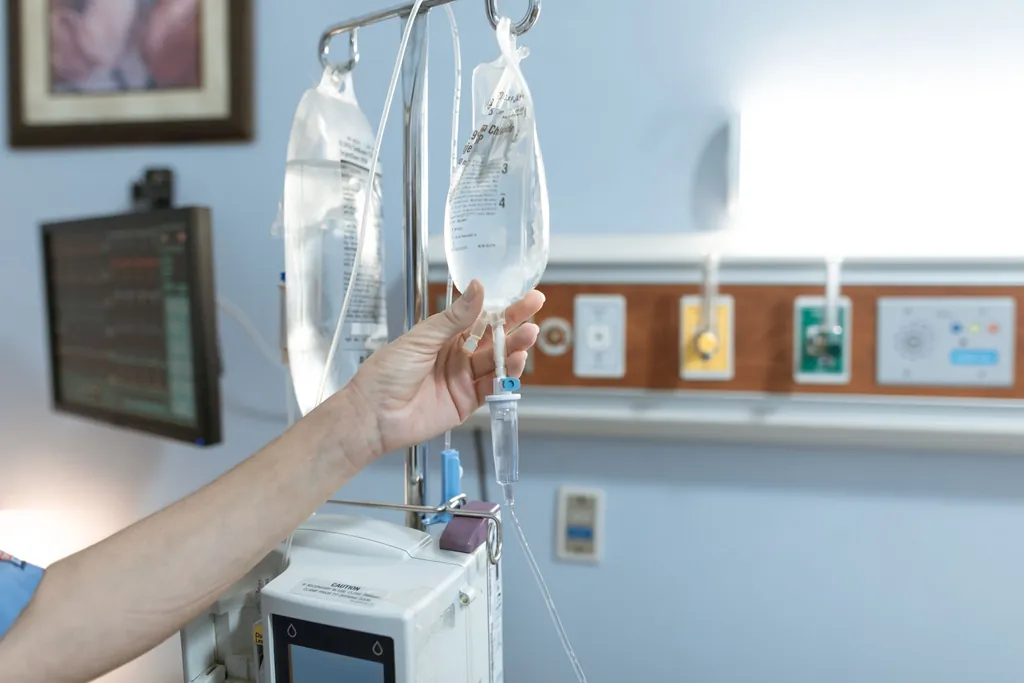
Specialty billing Oncology
We handle billing for oncology practices that buy and bill high-cost drugs, from infusion coding and drug units to prior authorization and underpayment follow-up.
Oncology coding focus
About the Work
A denied Keytruda claim is more than paperwork. Your practice has already paid for that immunotherapy drug, and until the claim is paid, the money sits in limbo instead of in your bank account.
Get the units math wrong. Miss a JW or JZ modifier. Let a prior auth lapse. Any one of these can turn a routine claim into a write-off. Our oncology billing services are built for community oncology practices and the drug claims their revenue depends on.
Why Oncology Is Different
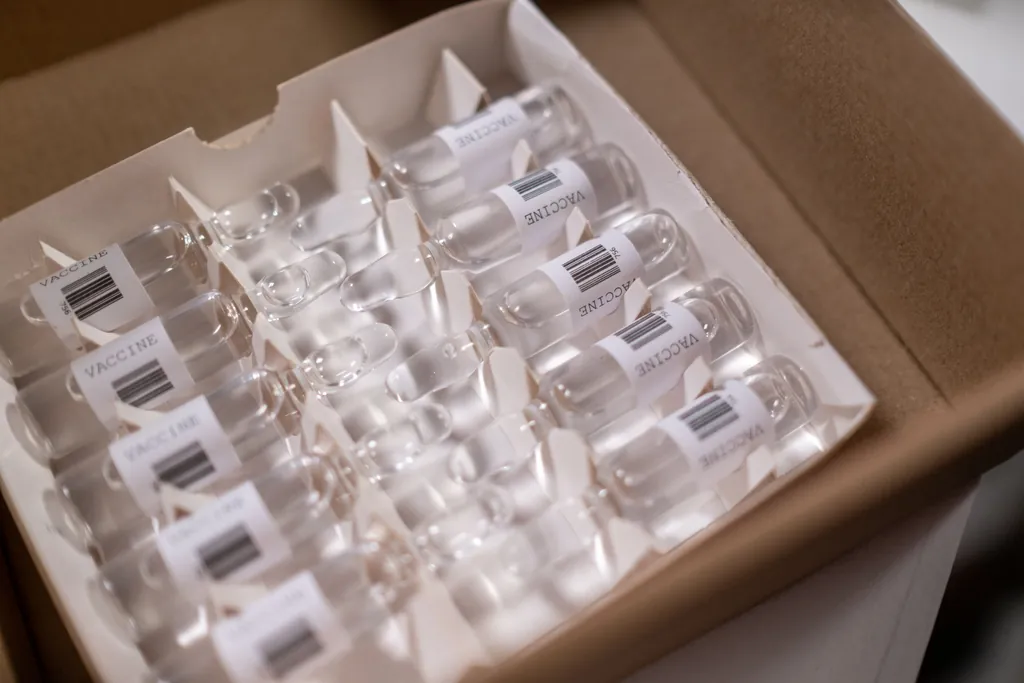
Most billing companies treat oncology like any other specialty. It isn't. Here's why practice administrators lose sleep over this one.
Say you administer 200mg of a drug, but the J-code bills in 10mg increments. That's 20 units, not 200. Get that math wrong and you can be underpaid by thousands of dollars on a high-cost drug.
Since July 1, 2023, Medicare has required the JW modifier for the discarded amount, or the JZ modifier when nothing is discarded, on separately payable Part B drugs from single-dose containers. Claims missing them can be returned or denied.
Your practice buys the chemo drug, administers it, then bills insurance. Medicare generally pays for Part B drugs at the average sales price plus 6% (ASP + 6%), and the 2% Medicare sequestration reduction trims that further. There's little room for error.
When a payer forces your practice to use their specialty pharmacy instead of your own inventory, you lose the buy-and-bill margin entirely. Your billing team needs to track which payers are doing this, and when it's worth pushing back.
Patients can't wait weeks to start treatment. And many payers, including Medicare Advantage plans, require prior auth on high-cost oncology drugs.
Oncology drug authorizations sit outside CMS's 2026 prior authorization rule (CMS-0057-F). Its deadlines, 7 calendar days for standard requests and 72 hours for expedited ones, apply to medical items and services at Medicare Advantage plans and Medicaid and CHIP programs. Drug requests still run on each payer's own timelines, which is why we track them closely.
Source: CMS fact sheet, January 17, 2024.
Infusion & Radiation Coverage
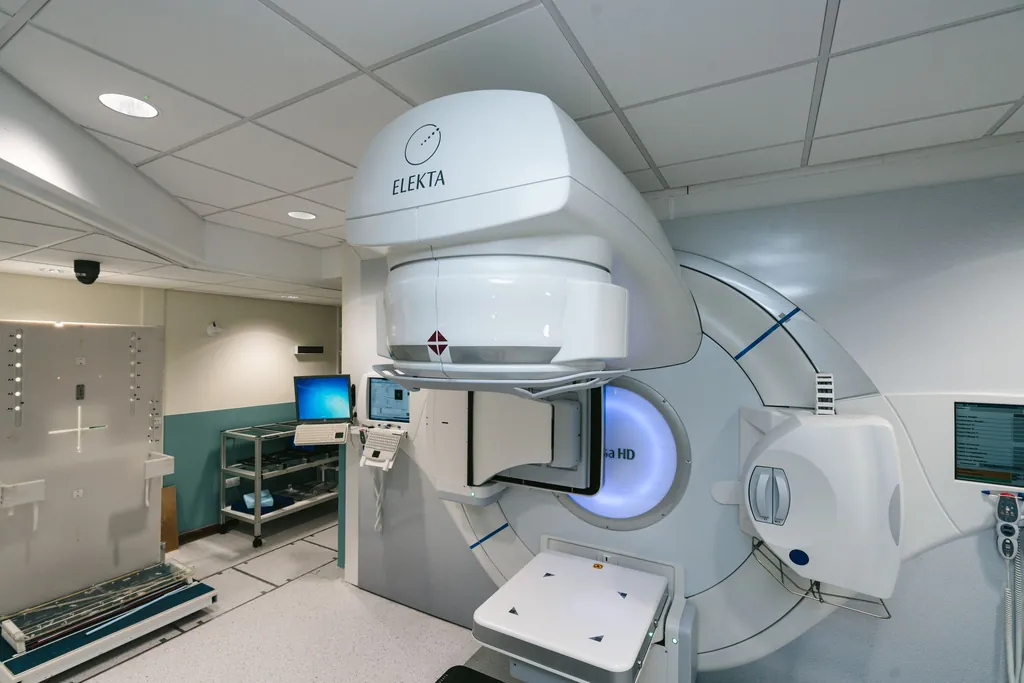
Chemotherapy and immunotherapy administration is coded by route and time: 96413 for the first hour of IV infusion, 96415 for each additional hour, 96417 for a sequential infusion of a different drug, and 96409/96411 for IV push. Radiation oncology billing covers treatment planning, simulation, dosimetry, treatment delivery and treatment management (77427, per five treatments). Our AAPC/CPC Certified Coders and Billers code each from the treatment record.
| Code | What It Means |
|---|---|
| 96413 / 96415 | First hour / each additional hour of IV chemo infusion |
| 96417 | Sequential infusion of a different drug |
| 96409 / 96411 | IV push chemo administration |
| J9271 | Pembrolizumab (Keytruda) |
| J9299 | Nivolumab (Opdivo) |
| J9355 | Trastuzumab (Herceptin) |
| JW | Modifier for reported drug wastage |
| JZ | Modifier attesting to zero drug wastage |
How We Protect Your Revenue
A denial is loud. It shows up in your reports and gets worked. An underpayment is silent. The claim pays, just not enough, and it's easy to miss unless someone's actively comparing expected reimbursement against what actually landed. We check drug units, NDCs and prior auths before each claim goes out.
We catch units and dosage math errors before the claim ever goes out the door, not after the denial arrives.
We track compliance claim by claim, so wastage documentation and zero-waste attestations never get missed.
We submit oncology drug authorizations and follow up with the payer, so a delay doesn't hold up treatment or payment.
We compare what you actually received against what you should have received, broken down by drug and by payer, so quiet underpayments don't slide by unnoticed.
When we find a gap, we don't just flag it. We appeal it and track it through resolution.
Book a free consultation and tell us which payers and drugs are giving you trouble.
Book a Free ConsultationServices
A prior auth team focused on oncology drugs, tracking each request to a decision.
Drug units, J-codes, NDCs and JW/JZ modifiers checked before the claim goes out.
Each payment posted and checked, so short-paid drug claims get flagged.
Denied and underpaid infusion claims appealed and tracked through resolution.
EOM · Biosimilars · Codes
The Enhancing Oncology Model (EOM) began July 1, 2023, added a second cohort on July 1, 2025, and runs through June 30, 2030 for both cohorts. Participating practices receive Monthly Enhanced Oncology Services (MEOS) payments:
Base-rate Monthly Enhanced Oncology Services payment per beneficiary per month for participating practices.
$140 per beneficiary per month for beneficiaries dually eligible for Medicare and Medicaid.
Source: CMS, Enhancing Oncology Model.
Get the codes right, and you protect your revenue and your standing under EOM at the same time.
Getting Started
Four steps, from your first call to clear reporting.
Step 01. Book a free consultation. We learn your oncology services, drug mix, payers and current workflow, and give you your rate in writing.
Step 02. Set up inside your system. Your EHR/PM system stays the same, so your staff have no new software to learn.
Step 03. Check every drug claim. AAPC/CPC Certified Coders and Billers check units, JW/JZ modifiers, NDCs and prior auths before drug claims go out.
Step 04. See where you stand. Clear reporting by payer, provider, location and CPT, so quiet underpayments don't slide by unnoticed.

Oncology Billing Support
We report JW and JZ modifiers as Medicare requires, document single-dose vial use, track prior authorization for oncology drugs, support EOM participants' billing, and use the correct Q codes for biosimilars.
We work denials, underpayments on infusion claims and buy-and-bill workflows, and track payers that require white bagging or brown bagging.
Accurate oncology billing depends on the right HCPCS code, correct units and the NDC where the payer requires it, so we check all three before drug claims go out.
Why MedixCode
Keep exploring
Wondering what oncology billing would cost your practice? See how pricing works
Book a Free ConsultationBeyond oncology, we bill for cardiology, orthopedics, OB/GYN, neurology and psychiatry. If yours isn't listed, tell us.
FAQ
Common oncology billing questions we hear from community oncology practices. More questions? See our FAQ
The JZ modifier tells Medicare that none of a drug from a single-dose container was discarded. Medicare has required it since July 1, 2023 on separately payable Part B drugs from single-dose containers when there's no waste. Claims missing JZ or JW can be returned or denied.
Report the discarded amount from a single-dose vial on its own line with the JW modifier, and document it in the record. The administered dose goes on a separate line, so Medicare can pay for the discarded amount as well.
Buy-and-bill means your practice buys the drug, gives it in the office and then bills the payer. Medicare generally pays at the average sales price plus 6%, before sequestration. It's how most community oncology practices keep drugs on hand for immediate treatment.
Common reasons are units calculation errors, missing JW or JZ modifiers, incomplete prior authorizations and NDC reporting mistakes. Because oncology drugs are so expensive, even small documentation gaps cost a lot.
We charge a percentage of net collections, with no setup fee and no monthly minimum. Your rate depends on your payer mix and your drug and infusion volume, and we confirm it in writing. See how pricing works on our pricing page.
Free Consultation
Book a free consultation. We'll talk through your J-codes, units and JW/JZ compliance, show you where money may be slipping, and give you a written rate.
Prefer email? Send your drug claim questions to info@medixcode.com.