

Skip to content
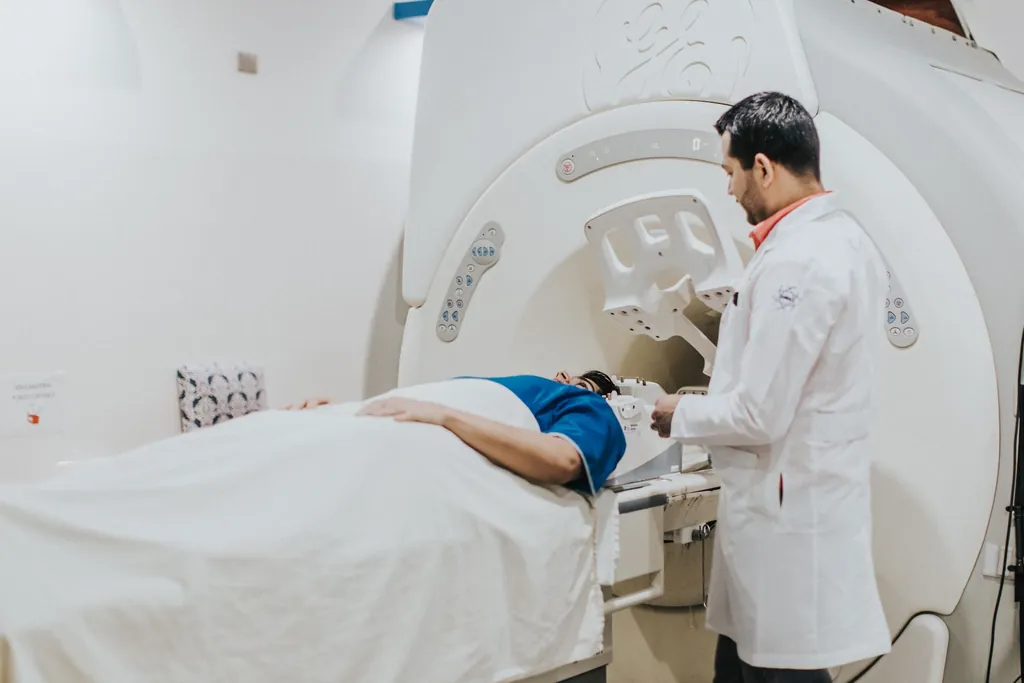
Technologist preparing a patient on an MRI scanner table

Specialty billing Radiology

Radiology Billing Services

Radiology billing built around modifier 26, modifier TC and global billing. One misapplied modifier can mean a denial, underpayment or later recoupment.

  • HIPAA compliant
  • AAPC/CPC Certified Coders and Billers
  • Works inside your existing EHR/PM system (Epic, athenahealth, eClinicalWorks, NextGen, Tebra, AdvancedMD)
  • You keep ownership of your data

Radiology coding focus

  • 26/TC Modifier logic
  • IR Coding focus
  • NCCI Edit checks

The Core Problem

One Wrong Modifier Equals a Denial: Why Radiology Is Uniquely Exposed

A radiologist reading a study, a facility hosting the equipment, and a referring physician ordering the scan each generate distinct billing obligations, and payers reject claims the moment those pieces don't line up. Global service billing, modifier 26 (professional component), and modifier TC (technical component) each require the coder to know exactly which party performed which function before a claim is ever submitted. Add modifier 59, modifier 76 for repeat procedures, and modifier 52 for reduced services, and the margin for error in imaging center billing services narrows fast. We work with imaging centers, hospital-affiliated radiology groups and teleradiology teams, using workflows built for imaging rather than adapted from generic medical billing. A wrong modifier can also lead to a duplicate payment that the payer later takes back.

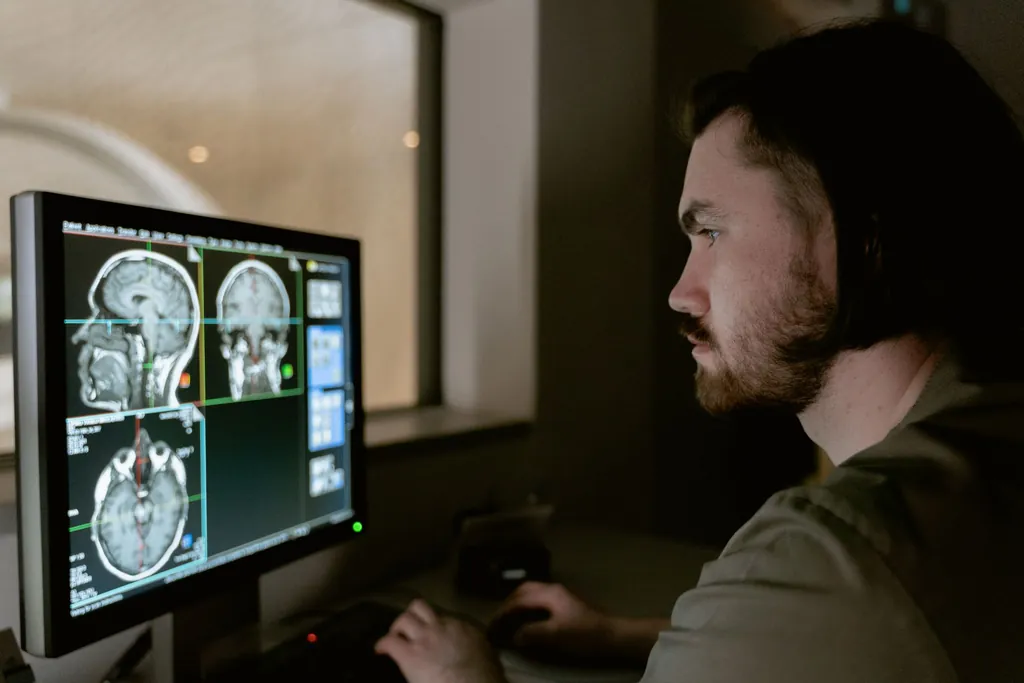
Radiologist reviewing brain MRI images on a monitor in a dim reading room

Decision Tree

Modifier 26 vs Modifier TC vs Global: The Radiology Billing Decision Tree

Modifier 26 applies when only the professional interpretation is billed, modifier TC applies when only the technical component (equipment, staff, supplies) is billed, and global billing applies when one entity performs and bills both. Take CPT 70551 (MRI brain without contrast): a freestanding imaging center that owns the scanner and employs the reading radiologist bills globally. When a hospital owns the scanner, the hospital bills the technical side and the radiologist bills 70551-26. Our coders make this call before submission, not after a denial arrives.

Modifier 26

Professional Component

For the reading radiologist when another party owns the scanner.

Modifier TC

Technical Component

For the scanner owner when another party reads the study.

Global

Both Components

When one entity owns the equipment and reads the study.

2026 update

From January 1, 2026, imaging interpretations are among the non-time-based services subject to the -2.5% efficiency adjustment to work RVUs in CMS's CY 2026 Medicare Physician Fee Schedule final rule. We compare your payments with the 2026 rates, so underpaid reads stand out.

Source: CMS, CY 2026 PFS final rule fact sheet (October 31, 2025).

Sub-Specialty Coding

Contrast Administration and Interventional Radiology Coding

A study done with contrast needs the "with contrast" CPT code, and the documentation must support it. Whether the contrast agent itself is billed separately with a HCPCS Level II code depends on the setting and the payer. In hospital outpatient billing, for example, Medicare folds the agent's payment into the imaging service. In interventional radiology (IR), many procedures already include imaging guidance, and National Correct Coding Initiative (NCCI) edits bundle the two; moderate sedation follows its own reporting rules. Our coders review IR claims against these rules before submission.

Clinician pointing to a sheet of brain MRI images

Our Process

Our Radiology Billing Process Includes

See How We Handle Your Radiology Coding

Ask about our modifier 26/TC determination workflow and how we handle NCCI bundling for interventional radiology.

Book a Free Consultation
  1. 01

    Study Capture

    Order, scan and interpretation details taken from your systems and the signed report

  2. 02

    Coder Review

    Modifier determination (26 / TC / global) and POS validation against the technical facility

  3. 03

    NCCI Check

    NCCI bundling edits checked before submission

  4. 04

    Clearinghouse Submission

    Clean claim submitted with full documentation trail

  5. 05

    Denial Workflow

    Denials worked by staff who know radiology modifiers and POS rules, sorted by root cause

  6. 06

    Payer Variance Review

    Regular review of how each payer handles your modifiers and POS codes, so changes are caught early

Results-Driven

Radiology Billing, Backed by a Process Built for Modifier and POS Accuracy

We show you the exact workflow rather than a number without context. Radiology denials often come back with modifier or POS reasons, and they need someone who reads them as radiology problems, not generic rejections. That's the gap this workflow is built to close.

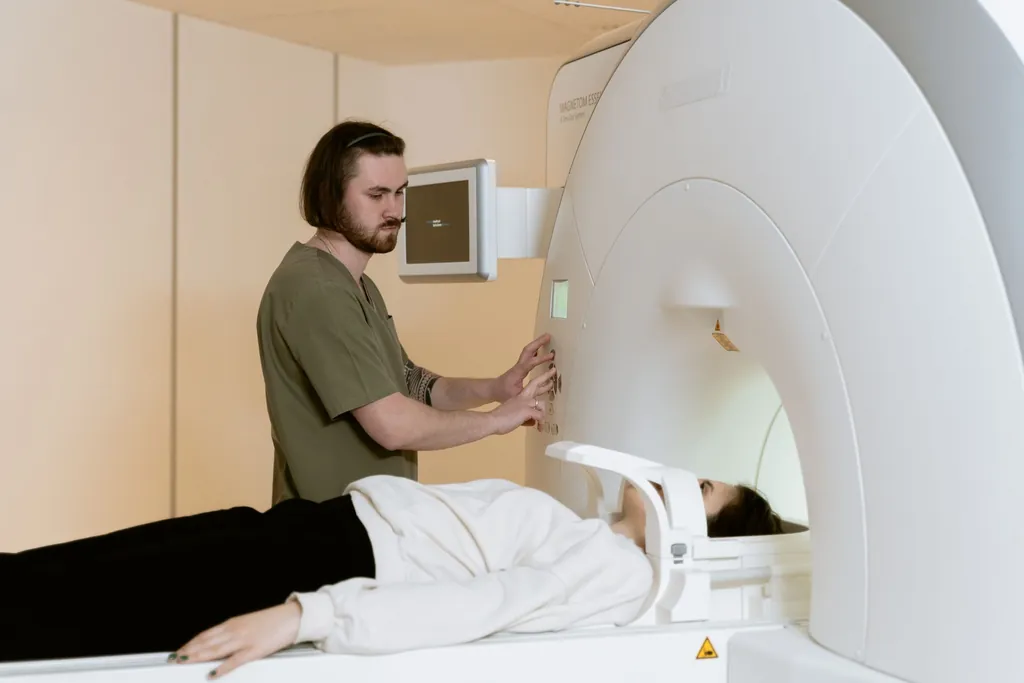
Technologist at the controls of an MRI scanner with a patient lying on the table

Trust & Compliance

Secure, HIPAA-Compliant Radiology Billing

MedixCode is HIPAA compliant, and our staff are HIPAA-trained. We work inside the systems your imaging group already uses, with the access your team grants, and your data stays yours. For teleradiology groups reading across state lines, our credentialing service can handle payer enrollment for each reading radiologist.

  • HIPAA Compliant and HIPAA-trained staff
  • Credentialing Payer enrollment for readers

Clear Pricing

How Pricing Works for Radiology Billing

You pay a percentage of net collections. There's no setup fee and no monthly minimum, and we confirm your rate in writing after we learn your mix of global, professional-only and teleradiology work. See how pricing works

  • Modifier 26/TC/global and POS review
  • Coding checks
  • Bundling edit review
  • Denial management

Seamless Onboarding

Transition to MedixCode with a Planned Handoff

Switching radiology billing vendors is a real operational risk if it's not sequenced correctly, which is why our transition plan runs credentialing continuity, claims handoff, and denial workflow migration in parallel rather than in sequence. For imaging centers, that means active claims stay in motion while new submissions move to our workflow. For teleradiology groups, that means multi-state credentialing status is verified before the first claim under our management goes out the door, so read volume keeps moving without claims getting ahead of enrollment.

FAQ

FAQs

Answers on modifiers, place of service, contrast and onboarding. More questions? See our FAQ

Q01 When do I use modifier 26 versus modifier TC in radiology billing?

Use modifier 26 when you're billing only the professional interpretation and someone else owns the equipment. Use modifier TC when you're billing only the technical component and someone else is reading the study. Bill globally only if you perform both.

Q02 How do I bill correctly when our radiologist reads from home for a hospital scan?

Bill modifier 26 with the place of service code for the hospital where the scan was performed, not the radiologist's home or reading center location. Medicare's rule is that POS for the professional component is the setting where the patient received the technical component.

Q03 What place of service code should I use for teleradiology?

Use the POS code of the setting where the patient physically received the imaging study. The radiologist's remote location doesn't determine POS on a professional-component claim.

Q04 Do you publish a clean claim rate for imaging centers?

No. Clean claim rate depends on payer mix and study type, so a single blended number wouldn't reflect your practice. In the consultation, we'll go through your own read and modifier data with you.

Q05 Can you handle interventional radiology coding?

Yes. Our AAPC/CPC Certified Coders and Billers know the NCCI bundling rules between imaging guidance and interventional procedures, plus the separate reporting rules for moderate sedation.

Q06 How do you bill contrast administration and supply?

When contrast is given, we code the 'with contrast' version of the study. Whether the contrast agent is billed separately depends on the setting and payer: in the hospital outpatient setting, Medicare packages contrast agents into the imaging payment.

Q07 Do you support multi-state teleradiology credentialing?

Yes. Our credentialing service handles payer enrollment for each radiologist, so claims don't go out before enrollment is active.

Q08 How does onboarding work for a radiology group?

We set the start date with you once we know your systems, data access and which payers your global, professional-only and teleradiology claims go to. Then we plan the handoff so billing can continue during the switch.

Get Started

Ready to Stop Losing Revenue to Modifier and POS Errors?

Book a free consultation and see how our modifier-first workflow helps close the gap between what you earn and what you collect.

Imaging groups can also write to info@medixcode.com.

Physician showing a head scan on a screen to an older patient