Skip to content
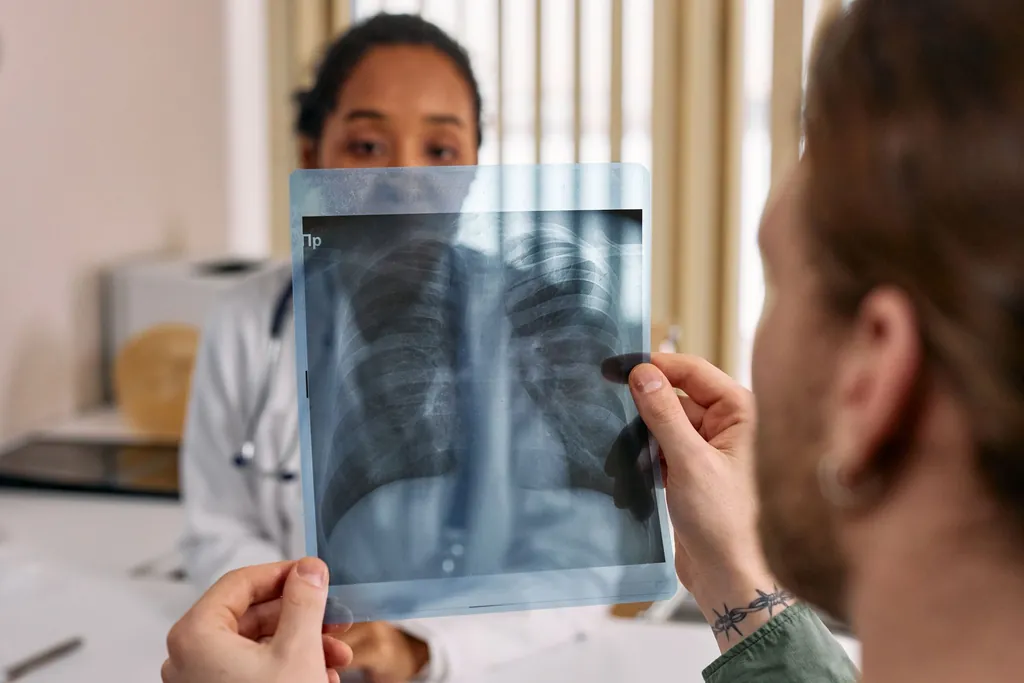
Masked clinician holding up a chest X-ray while talking with a patient

Specialty billing Pulmonology

Pulmonology Billing & Coding Services

Pulmonology billing fails at three predictable points: unsigned PFT interpretation reports, sleep-study date-of-service errors, and bronchoscopy bundling edits that strip reimbursement without warning. Our pulmonology billing targets all three, with AAPC/CPC Certified Coders and Billers who know sleep-lab billing, LCD-aware claim scrubbing and a check that the signed interpretation is in the chart before the claim goes out.

  • HIPAA compliant
  • AAPC/CPC Certified Coders and Billers
  • Works inside your existing EHR/PM system (Epic, athenahealth, eClinicalWorks, NextGen, Tebra, AdvancedMD)
  • You keep ownership of your data

Pulmonology coding focus

  • PFT Interpretation Check
  • NCCI Pre-Submission Scrub
  • LCD Compliance Validated

The Root Cause

Why Pulmonology Billing Denials Cluster Around Interpretation Reports and Modifier 26

A common root cause of pulmonology denials is a claim submitted before the physician interpretation was signed. The professional component (modifier 26) pays for the interpretation and report, so when it goes out before that documentation exists, it's exposed to denial.

This is not a coding mistake in the traditional sense. It's a workflow timing problem. Practices that batch-bill on a fixed schedule, rather than gating claims on interpretation-report status, see the same denial pattern month after month: technical component paid, professional component denied, and an accounts receivable bucket that never clears.

How We Gate Claims

Our rule is simple: PFT and sleep-study professional claims are held until the signed interpretation report is in the chart, instead of being fixed on appeal.

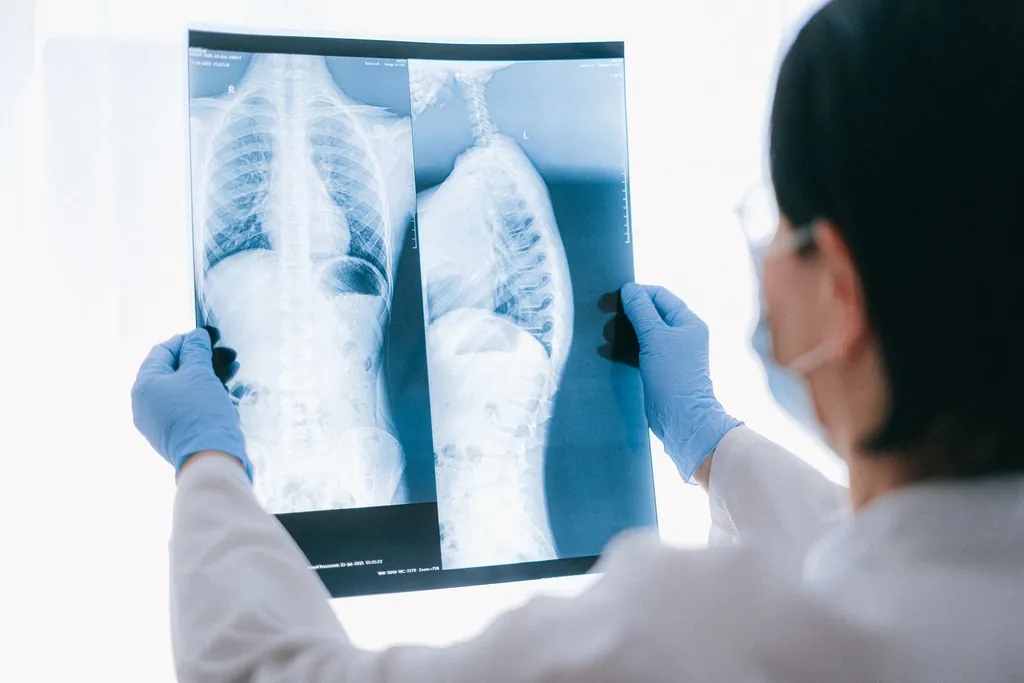
Doctor in gloves holding up a chest X-ray

The 94010 vs 94060 Trap

Spirometry Coding: The 94010 vs 94060 Trap

Choosing between CPT 94010 and 94060 is a common spirometry coding error, and it's usually a documentation gap rather than a coder error.

Spirometry codes compared
CodeDescriptionWhen Billable
94010Spirometry, baseline onlyNo bronchodilator administered or documented response
94060Spirometry, pre- and post-bronchodilatorBronchodilator given AND a second (post) maneuver documented with results

Before 94060 Is Submitted

  • Post-bronchodilator maneuver documented
  • Results recorded in the chart
  • Then 94060 is submitted
The Trap If the chart doesn't show a post-bronchodilator maneuver with results, billing 94060 bills for work that wasn't documented, which is a compliance risk as well as a denial risk. Our coders confirm the post-bronchodilator results are in the chart before they code 94060.

Beyond Spirometry

Pulmonary Function Tests (PFT): DLCO, Lung Volumes, and the Signed Interpretation Rule

PFT billing beyond basic spirometry covers diffusion capacity (DLCO) and lung volumes, coded under CPT. These codes split into a technical component (equipment, technician time) and a professional component (physician interpretation, billed with modifier 26), and both must be tracked separately in the practice management system.

The professional component of a PFT pays for the physician's interpretation and report, so a signed report should be in the chart before that claim goes out. We check for it before submission, not after the first denial arrives.

2026 update

Under the CY 2026 Medicare Physician Fee Schedule final rule, CMS applied a -2.5% efficiency adjustment to the work RVUs of most non-time-based services, such as test interpretations and bronchoscopy, from January 1, 2026. We check that your fee schedule uses the 2026 rates, so short-paid interpretations and bronchoscopies show up in your variance reports.

Source: CMS, CY 2026 PFS final rule fact sheet (October 31, 2025).

Clinician guiding a young girl through a breathing test at a desk

Sleep Lab Billing

Sleep Study Billing (Polysomnography and HSAT): Date-of-Service and Split-Night Rules

01

Studies That Cross Midnight

Sleep study date of service billing rules trip up even experienced billing staff because polysomnography (CPT 95810) frequently spans midnight. Which date goes on the claim depends on your Medicare contractor and each payer, and getting it wrong can create a mismatch with the order or authorization on file.

02

A Common Scenario

A sleep-lab tech documents a study that begins at 9:45 PM and ends at 5:30 AM. If the DOS on the claim doesn't follow the payer's rule, the claim can be rejected or denied. We check the DOS convention for each payer on sleep-lab claims.

03

Split-Night and HSAT

Split-night studies (diagnostic-to-CPAP-titration in one session) require distinct coding logic from a standard full-night study, and home sleep apnea tests (HSAT) follow a different coverage and coding path entirely than in-lab polysomnography. Our coders route each study type to the right coding path before submission.

End-to-End Workflow

Our Pulmonology Billing Process

See How We Handle Your PFT Interpretation Workflow

Book a free consultation and we'll talk through where interpretation timing may be costing you revenue.

Book a Free Consultation
  1. 01

    Charge Capture

    From your EHR or charge sheets.

  2. 02

    PFT/Sleep Interpretation Check

    Claim held until signed interpretation confirmed.

  3. 03

    NCCI Scrubbing

    Bronchoscopy and procedure-pair edits checked pre-submission.

  4. 04

    Prior Authorization Management

    Sleep studies and select PFTs.

  5. 05

    Submission

    Clean claims are filed after coding and scrubbing.

  6. 06

    Denial Workflow

    Each denial traced to its root cause.

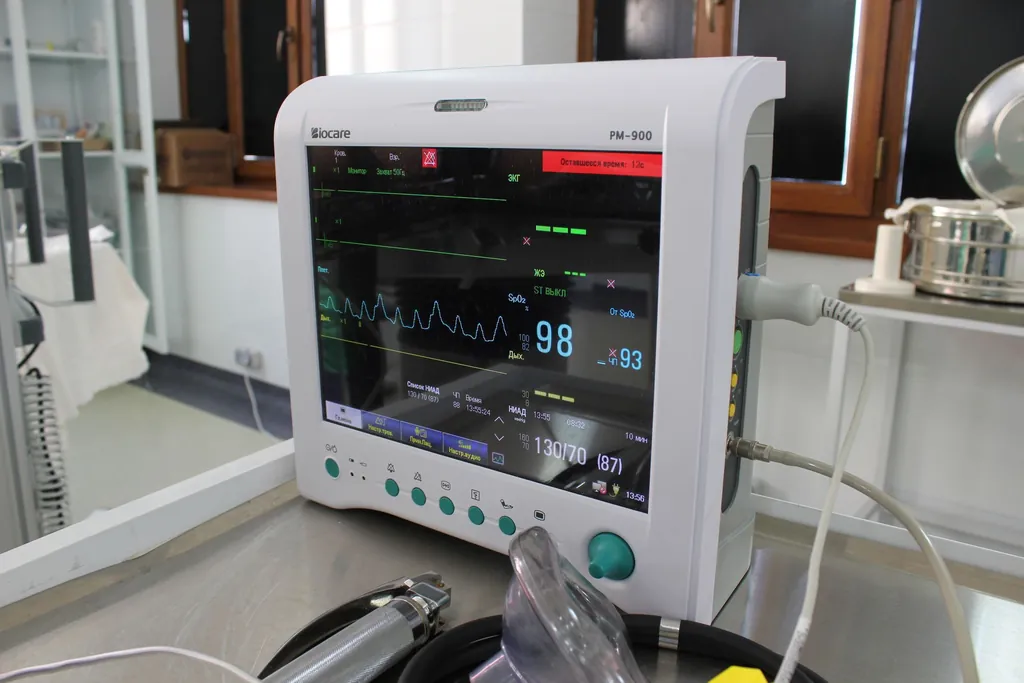
Patient monitor showing vital signs on a hospital stand

Trust & Compliance

Secure Pulmonology Billing Services Built Around HIPAA

MedixCode is HIPAA compliant, and our staff are HIPAA-trained. Sleep-lab billing keeps the professional and technical components separate, so facility and physician billing don't get mixed into one claim stream.

  • HIPAA Compliant and HIPAA-trained staff
  • PC / TC Routed separately

Clear Pricing

Transparent Pricing for Your Pulmonology Billing

Billing is priced as a percentage of net collections. There's no setup fee or monthly minimum, and your written rate follows once we know your PFT and sleep-study volume. See how pricing works

  • PFT and sleep interpretation check
  • 94010 vs 94060 documentation check
  • Bronchoscopy NCCI edits
  • Denial management

Onboarding

A Coordinated Transition Designed to Minimize Billing Disruption

Switching billing partners is a worry for most practices, especially sleep labs with a full overnight schedule. Once we've seen your systems, data access and payer list, we agree a start date with you. The changeover is planned around your sleep-lab calendar, with the aim of keeping claims moving during the switch.

FAQ

FAQs

Answers on spirometry codes, sleep-study dates, prior authorization, PC/TC routing, LCDs and onboarding. More questions? See our FAQ

Q01 What is the difference between CPT 94010 and CPT 94060 for spirometry?

CPT 94010 is spirometry without a bronchodilator response test. CPT 94060 is spirometry before and after a bronchodilator, so the chart must show the bronchodilator was given and a second spirometry was recorded. Billing 94060 without documented post-bronchodilator results is a common error and a compliance risk.

Q02 What date of service should I use for a sleep study that crosses midnight?

Follow your Medicare contractor's and each payer's instruction. Many use the date the study began. We check the convention for each payer so the claim matches the order and authorization on file.

Q03 How do you handle prior authorization for in-lab sleep studies?

We submit PA requests with the ordering physician's clinical documentation, track payer turnaround times and flag studies at risk of a scheduling delay before the appointment date, not after a denial.

Q04 Do you publish a clean claim rate for pulmonology practices?

No. It depends on documentation quality and payer mix. Our interpretation check and NCCI scrubbing before submission are built to raise it, and we'll look at your own PFT and sleep claims with you in the consultation.

Q05 Do you support both professional and technical component billing for our sleep lab?

Yes. We route professional (modifier 26) and technical components separately, which matters for sleep labs that bill both the facility and physician side of a study.

Q06 How do you check LCD compliance on PFTs?

We check PFT claims against the applicable Medicare Local Coverage Determination for medical necessity documentation, ordering diagnosis and interpretation requirements before submission.

Q07 Can you code from our EHR or do we need to send charge sheets?

Either works. We work inside your EHR or can accept charge sheets.

Q08 How does onboarding work for a pulmonology practice?

It depends on your EHR/PM setup and the payers you bill. We review those first, then agree a timeline with you.

Free Consultation ยท No Obligation

Start Your Pulmonology Billing Transition

Request a free pulmonology billing consultation. We'll review your PFT interpretation workflow, sleep-study DOS compliance, and bronchoscopy NCCI edits before you commit to anything.

Prefer email? Send your sleep-lab or PFT billing questions to info@medixcode.com.

Man holding an inhaler