Skip to content
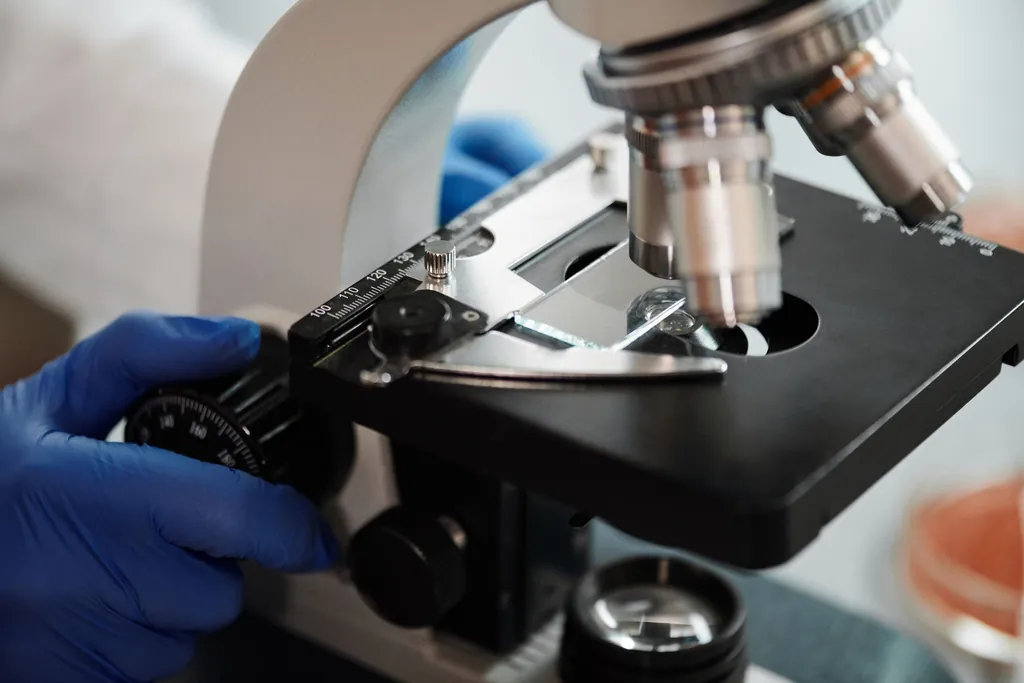
Gloved hands adjusting a laboratory microscope

Specialty billing Pathology & Lab

Expert Pathology Billing Services

Pathology billing services built for labs that can't afford to guess on PAMA, TC/PC splits, or molecular stacking. If you run an independent lab, a pathology group, or a molecular diagnostics company, the reimbursement rules changed again in 2026. We cover what's changed, what it means for your lab, and how our pathology revenue cycle management work helps close the gap across laboratory billing services, molecular pathology billing, and reference lab billing services.

  • HIPAA compliant
  • AAPC/CPC Certified Coders and Billers
  • Works inside your existing EHR/PM system (Epic, athenahealth, eClinicalWorks, NextGen, Tebra, AdvancedMD)
  • You keep ownership of your data

Lab billing focus

  • PAMA CLFS Reconciliation
  • TC/PC Split Routing
  • MolDX Registration Mgmt

The Revenue Problem

Where Independent Labs Lose Revenue Every Year

Independent clinical labs rarely lose revenue to a single cause. It's death by a thousand small cuts. These are the most common places it leaks:

Most groups never see this breakdown because their current biller reports clean claim rate and days in accounts receivable, but not reimbursement variance or denial by payer analysis at the CPT-code level. Without that granularity, revenue leakage can build up unnoticed.

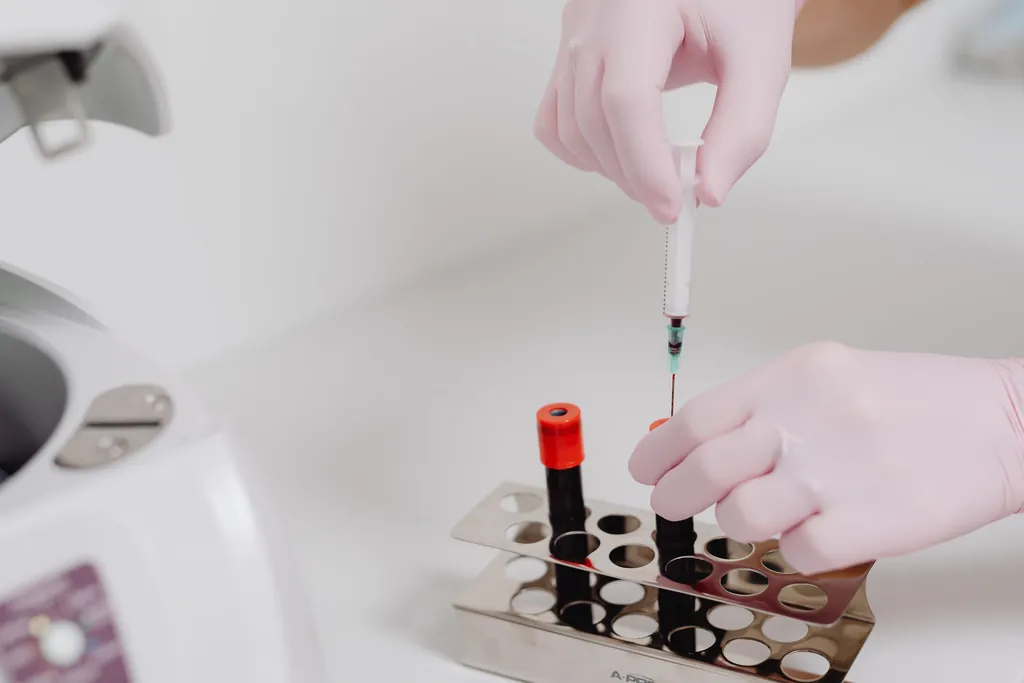
Gloved hands with a pipette above blood sample tubes in a rack

Leakage Source

  1. 01 Professional component (modifier 26) billed or denied on clinical lab tests that don't qualify for a separate interpretation
  2. 02 CLFS rate misapplication or outdated fee schedules
  3. 03 Molecular/MolDX post-payment recoupments
  4. 04 Modifier errors (26, TC, 59, 91)
  5. 05 Uncollected patient responsibility and timely-filing misses

PAMA & CLFS Update

PAMA in 2026: What the CLFS Update Means for Your Reimbursement

PAMA reporting changed again in 2026, and the data reported this year sets the CLFS rates for 2027 through 2029.

High-volume tests such as HbA1c, TSH and lipid panels can be among the most exposed, because their rates are set from large volumes of private payor data.

Applicable laboratory status is defined in 42 CFR 414.502: a CLIA laboratory that bills Medicare Part B under its own NPI (hospital outreach labs: bill type 14x), gets more than 50% of its Medicare revenue from the CLFS and PFS, and meets the low-expenditure threshold. CMS asks hospital outreach labs to check their own status.

When CMS publishes new CLFS rates, we compare them with your test mix at the code level, so you can see your 2027 exposure before it shows up on a remittance advice.

Laboratories should now model how the reported private-payor data may affect their 2027–2029 CLFS reimbursement.

2026 update

Under section 6226 of the Consolidated Appropriations Act, 2026 (enacted February 3, 2026), the data collection period was reset to January 1–June 30, 2025, and the reporting period ran May 1–July 31, 2026 (now closed). Applicable laboratories reported private payor rates and test volumes by HCPCS code; CMS uses the weighted median to set CLFS rates from January 1, 2027. There's no phase-in reduction for 2026. For 2027 through 2029, a test's payment can't drop more than 15% a year compared with the year before. The next reporting cycle is 2029.

Source: CMS CLFS & PAMA Reporting page.

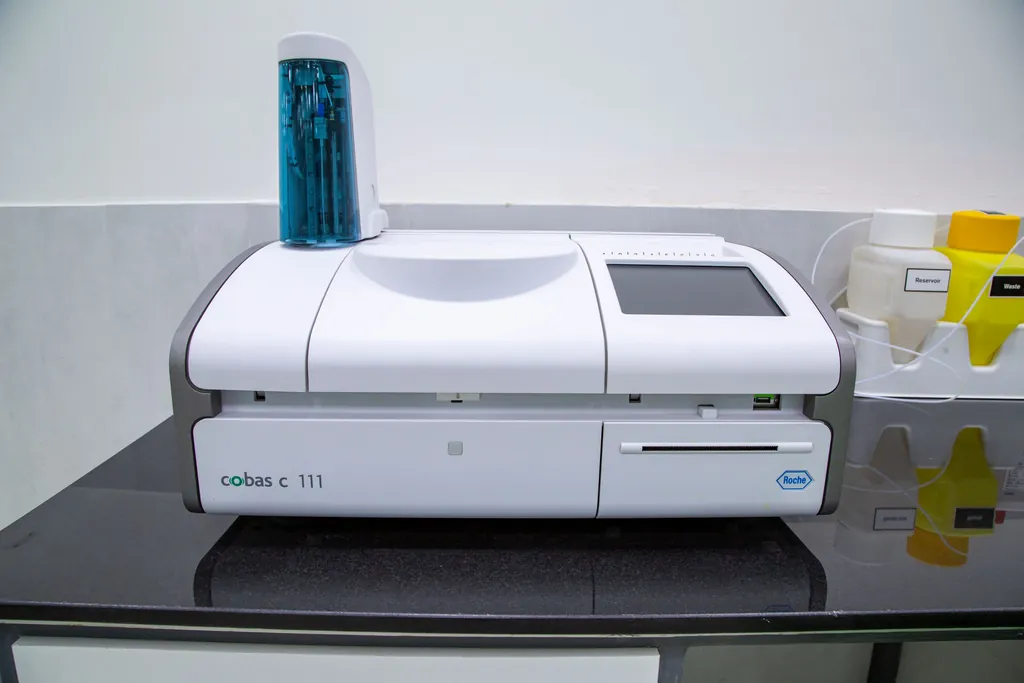
Laboratory analyzer on a bench

TC / PC / Global

TC vs PC vs Global Billing for Pathology Services

Modifier 26 (professional component), modifier TC (technical component), and global billing are not interchangeable, and mixing them up is one of the fastest ways to trigger a denial or a compliance flag. How the split works, using CPT 88305 (surgical pathology, Level IV) as the example:

CPT 88305 split by modifier
CodeModifierWhat It BillsWho Bills It
88305-26Professional componentPhysician interpretation onlyPathologist / pathology group
88305-TCTechnical componentSlide prep, equipment, staff, suppliesFacility or independent lab
88305Global (no modifier)Both TC and PC togetherIndependent lab performing both

Getting this split right is foundational clinical laboratory billing work and it's where most in-house billing teams start losing ground once volume scales past a few thousand claims a month.

Revenue Recovery

The Professional Component Denial Problem (and How We Get It Overturned)

Some commercial payers deny the professional component on clinical pathology tests as "automated", even when a pathologist reviewed the result. For Medicare, a separate physician payment for clinical lab work is limited to listed interpretive services and clinical consultations that the attending physician requested, that address an abnormal result, and that produce a written narrative report (42 CFR 415.130). Our appeal workflow:

  1. 1

    Pull the interpretation record documenting pathologist review, not just an instrument printout

  2. 2

    Cite payer medical policy language against the specific denial code (CO-50, CO-97, PR-96, CO-16)

  3. 3

    File a first-level appeal with clinical necessity and interpretation documentation attached

  4. 4

    Escalate to peer-to-peer or external review if the first-level appeal is denied

  5. 5

    Track outcome by payer so repeat denial patterns get flagged before they recur

Denials are worked, not written off. Unworked denials are one of the first places we look in a lab's unpaid claims.

Scientist in a lab coat using a microscope beside petri dishes

Molecular & MolDX

Molecular Pathology Billing: MolDX, Stacking, and Panel Codes

Molecular pathology claims draw more post-payment review than routine clinical lab claims, so documentation and MolDX/Z-code accuracy matter on each claim. Key mechanics we manage:

01

MolDX Registration

Laboratories billing in a MolDX jurisdiction may need to register an in-scope assay in DEX and meet the applicable Z-Code, technical-assessment, LCD, and billing-article requirements.

02

PLA vs. Stacked Coding

PLA codes identify proprietary laboratory analyses, including certain ADLTs and CDLTs. When a specific PLA code applies to the proprietary test, report the PLA code rather than separately billing a stack of component codes for the same service. Billing a stacked-code combination when an applicable PLA code exists can create compliance and improper-billing risk.

03

LCD Coverage Review

Molecular claims are checked against the applicable Local Coverage Determination before submission, not after a denial.

We follow MolDX registration guidance and the published coverage articles so panel-level billing decisions are made before the claim goes out, not reconstructed during an appeal.

End-to-End Workflow

Our Laboratory Billing Process

Laboratory billing works best when claims pass through the same checkpoints each time. Here's ours:

Compliance: HIPAA, CLIA, and OIG Lab-Billing Rules

HIPAA: MedixCode is HIPAA compliant and our staff are HIPAA-trained. CLIA: AAPC/CPC Certified Coders and Billers who know CLIA-related billing rules. OIG: coding checks built to avoid panel stacking, unbundling and unsupported medical-necessity billing.

Book a Free Consultation
  1. 01

    Order Capture

    Accession-level data validated against the requisition.

  2. 02

    Coding Validation

    CPT/HCPCS assignment reviewed against CPT 88300–88399 (surgical pathology) and the rest of the CPT Pathology and Laboratory section (80047–89398), with modifier logic applied (26/TC/59/91).

  3. 03

    CLFS / MolDX Check

    Current fee schedule and Z-Code/LCD status confirmed before submission.

  4. 04

    Clearinghouse Submission

    Clean-claim scrubbing against payer-specific edits.

  5. 05

    Denial Workflow

    Denials triaged, appealed, or written off with a documented reason.

  6. 06

    Payer Variance Review

    Reconciliation of contracted vs. paid rates by CPT code and payer.

Clear Pricing

How Pricing Works for Lab Billing

Labs pay a percentage of net collections, and there are no setup or monthly minimum fees. Your rate comes in writing after we review your lab's volume and payer mix. See how pricing works

  • HIPAA Compliant, HIPAA-trained staff
  • AAPC/CPC Certified Coders and Billers
  • Your EHR/PM You keep your data

FAQ

FAQs

Answers on PAMA, modifiers 26 and TC, professional component denials, molecular review, CLIA and PLA codes. More questions? See our FAQ

Q01 What is PAMA and how does it affect my lab's reimbursement?

PAMA requires applicable labs to report private payor rates and volumes to CMS, which sets the Medicare Clinical Laboratory Fee Schedule from the weighted median. The 2026 reporting period ran May 1–July 31, 2026, using rates from January–June 2025. There's no CLFS cut in 2026; new rates take effect January 1, 2027, and a test's payment can't drop more than 15% a year in 2027 through 2029.

Q02 When should I use modifier 26 versus modifier TC on pathology claims?

Use modifier 26 when you bill only the physician's interpretation of a test, and modifier TC when you bill only the technical work: equipment, staff and supplies. Bill the code with no modifier only when your lab performs and bills both components.

Q03 Why do commercial insurers deny the professional component on clinical pathology?

Some payers' edits assume instrument-run chemistry and hematology tests don't need physician interpretation, so they deny the professional component. Documented interpretation records are central to appealing these denials. For Medicare, separate physician payment for clinical lab work is limited to listed interpretive services and requested clinical consultations.

Q04 How do you handle post-payment review on molecular pathology claims?

We keep documentation packets ready: test validation, medical necessity, ordering provider notes and MolDX registration status. When a post-payment review comes in, the packet goes out promptly instead of being assembled under deadline pressure.

Q05 Do you publish a clean claim rate for independent laboratories?

No. Clean claim rate depends heavily on payer mix and test complexity, so a blanket number wouldn't reflect your lab. In the consultation, we'll go over your own lab claims with you.

Q06 Can you handle CLIA billing rules and specimen-collection modifiers?

Yes. Our AAPC/CPC Certified Coders and Billers know CLIA-related billing requirements, including specimen-collection modifiers and reference-lab-to-referring-lab arrangements.

Q07 Do you support PLA (Proprietary Laboratory Analyses) code billing?

Yes. We check molecular panels against current AMA CPT PLA code assignments before submission, because billing a stacked combination of codes when a PLA code exists for that test is a compliance and reimbursement risk.

Q08 How do you find lab underpayments?

We compare contracted or CLFS rates against what was actually paid, by CPT code and by payer. Underpayments get flagged and appealed on a rolling basis.

Get Started

Ready to Stop the Leakage?

If your lab is heading into the 2027 PAMA reporting window without a clear picture of your CLFS exposure, that's the first thing to fix, before any billing transition happens. Book a free consultation to talk through your CLFS exposure and your remittance data.

Lab questions by email: info@medixcode.com.
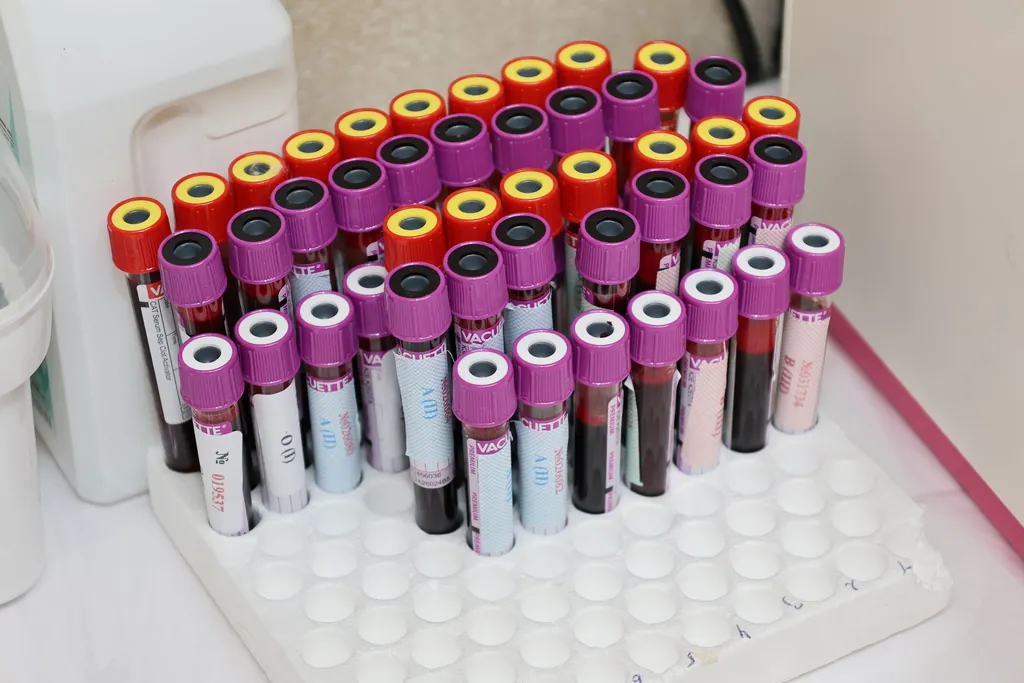
Rack of blood sample vials with colored caps in a laboratory